
"Mitsubishi Chemical"
7000 article(s) found

The basic chemical reaction that takes place during coffee roasting.
Many thermal and chemical reactions take place during baking: decarbonation, dehydration of quinic acid, subdivision, isomerization, polymerization, and complex sugar reactions (caramelization). The main components of the thermal reaction are monosaccharides and sucrose, chlorogenic acid, free amino acids, and fenugreek amide. Both aravinose and calactose in the polysaccharides are transferred, and the basic vulcanization process includes hydroxylamine.

The basic chemical reactions that take place during coffee roasting
Many thermal and chemical reactions take place during baking: decarbonation, dehydration of quinic acid, subdivision, isomerization, polymerization, and complex sugar reactions (caramelization). The main components of the thermal reaction are monosaccharides and sucrose, chlorogenic acid, free amino acids, and fenugreek amide. Both aravinose and calactose in the polysaccharides are transferred, and the basic vulcanization process includes hydroxylamine.
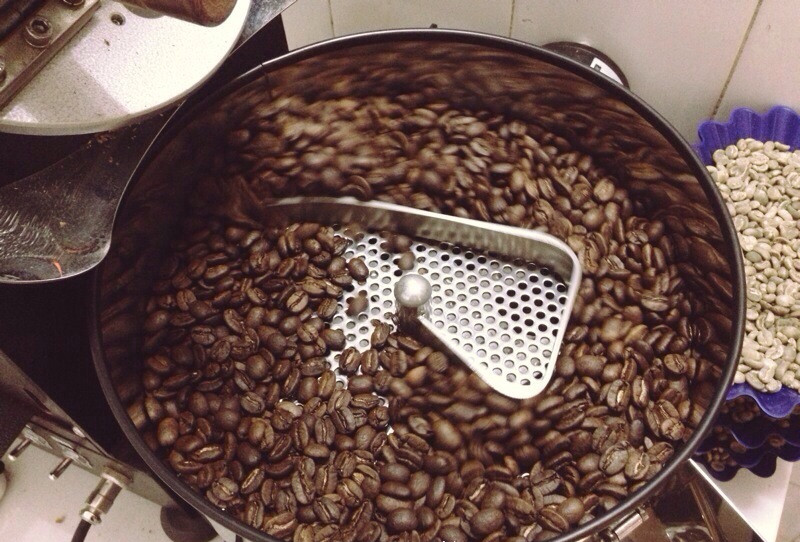
Basic chemical reactions of coffee beans during coffee roasting
Many thermal and chemical reactions take place during baking: decarbonation, dehydration of quinic acid, subdivision, isomerization, polymerization, and complex sugar reactions (caramelization). The main components of the thermal reaction are monosaccharides and sucrose, chlorogenic acid, free amino acids, and fenugreek amide. Both aravinose and calactose in the polysaccharides are transferred, and the basic vulcanization process includes hydroxylamine.

Coffee beans roasting process Coffee bitterness comes from processing
In western countries, people drink a cup of coffee every morning. In order to cover up the bitterness of coffee, some milk powder and granulated sugar are often added. Why is coffee bitter? What seems like a simple question has puzzled scientists for decades. Now, scientists have narrowed their search to two chemical molecules. in the American Chemical

What chemical reaction happens when milk becomes foam? How does milk become foam?
Professional coffee knowledge exchange More coffee bean information Please pay attention to coffee workshop (Weixin Official Accounts cafe_style) Although you don't need a degree in chemistry, it is indeed a more complicated technology to understand the chemical effect of milk on coffee. But if you want to make perfect, beautiful foam, you have to learn about milk. Milk goes with it.
The basic chemical reactions that take place during coffee roasting
Many thermal and chemical reactions take place during baking: decarbonation, dehydration of quinic acid, subdivision, isomerization, polymerization, and complex sugar reactions (caramelization). The main components of the thermal reaction are monosaccharides and sucrose, chlorogenic acid, free amino acids, and fenugreek amide. Both aravinose and calactose in the polysaccharides are transferred, and the basic vulcanization process includes hydroxylamine.
The basic chemical reactions that take place during coffee roasting.
Many thermal and chemical reactions take place during baking: decarbonation, dehydration of quinic acid, subdivision, isomerization, polymerization, and complex sugar reactions (caramelization). The main components of the thermal reaction are monosaccharides and sucrose, chlorogenic acid, free amino acids, and fenugreek amide. Both aravinose and calactose in the polysaccharides are transferred, and the basic vulcanization process includes hydroxylamine.

Common sense of average Chemical composition of Coffee beans
The average chemical composition of raw coffee beans is as follows: water 12%, nitrogen 12%, fat 12%, sugar and dextrin (dextrine) 10%, other non-nitrogen substances 18%, dust 4%, tannin 6.7%, caffeine 1.2%, coffee essential oil 0.1%. Of course, these data are not fixed, and the quantity of some of these ingredients varies greatly, which is why each kind of coffee is so different.
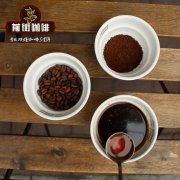
What chemical reaction changes will take place during the roasting process of coffee beans? What happened to the roasting of coffee beans
Professional coffee knowledge exchange more coffee bean information please follow the coffee workshop (Wechat official account cafe_style) coffee beans in the roasting process what chemical reactions will take place? What happened to the roasting of coffee beans? Sucrose: melting point 187.8 ℃-sugar? The conjugate = caramelization-water CO2 escapes to produce an explosive First Crack phenomenon. I measured the bean temperature 190 in the drum bean of the baking machine.

The flavor characteristics of coffee are actually the products of a chemical compound. Where does the aroma of coffee come from?
There are too many factors in coffee that can affect coffee flavor: variety, baking methods, brewing methods, treatment methods. However, when you start to analyze it, the flavor characteristics of coffee are actually a product of chemical compounds. Of course, these compounds are affected by the way we roast coffee, the type of coffee, and the height at which we plant it. But if we really want to optimize,

Professional coffee roasting| Is the natural curve of baked beans coincidence or science?
Professional barista communication, please pay attention to coffee workshop (Weixin Official Accounts cafe_style) Using the open source free baking record software Artisan not only allows us to focus on the process of baking beans, but also adds a lot of unexpected ideas, or fun, I don't understand why some people resist it so much. In Germany 2015 SCAE baking contest page last there is one
The basic chemical reaction of coffee technology in the process of coffee roasting
Many thermal and chemical reactions take place during baking: decarbonation, dehydration of quinic acid, subdivision, isomerization, polymerization, and complex sugar reactions (caramelization). The main components of the thermal reaction are monosaccharides and sucrose, chlorogenic acid, free amino acids, and fenugreek amide. Both aravinose and calactose in the polysaccharides are transferred, and the basic vulcanization process includes hydroxylamine.

Coffee Basics Common Sense Coffee Bitterness comes from the processing process
In western countries, people drink a cup of coffee every morning. In order to cover up the bitterness of coffee, some milk powder and granulated sugar are often added. Why is coffee bitter? What seems like a simple question has puzzled scientists for decades. Now, scientists have narrowed their search to two chemical molecules. in the American Chemical

Water content and Chemical changes during Coffee roasting
The water content and chemical changes in the baking process of caffeine, whether new or old beans, have its unique baking curve, so it is necessary to accurately judge the bean and the time of emergence, and master the best flavor. In the process of recording the baking curve, carefully blindly test each batch of baked beans, record them, and accurately grasp the key elements, you can easily get the taste of coffee beans! Remember

The average chemical composition of raw coffee beans is as follows
The average chemical composition of raw coffee beans is as follows: water 12%, nitrogen 12%, fat 12%, sugar and dextrin (dextrine) 10%, other non-nitrogen substances 18%, dust 4%, tannin 6.7%, caffeine 1.2%, coffee essential oil 0.1%. Of course, these data are not fixed, and the quantity of some of these ingredients varies greatly, which is why each kind of coffee is so different.

Experts from the American Chemical Society have pointed out that hot coffee contains more antioxidants than cold extracted coffee.
Cold-extracted coffee is one of the most popular coffee drinks in recent years, but most people do not know enough about cold-extracted coffee. Recently, scientists have found that coffee extracted by hot and cold methods contains very different antioxidant health ingredients. Recently, the researchers involved in the study made progress on the SciMetting platform of the American Chemical Society (ACS).

The basic Chemical reaction of Coffee Baking process
Original: Basic Chemical Reactions Occurring in the Roasting Process by Carl Staub sourced from the SCAA Roast Color Classification System developed by Agtron-SCAA in 1995 Many thermal and chemical reactions occur during the roasting proces

Galapagos Islands Fine Coffee beans Natural Coffee grown without Chemical
For the exchange of professional baristas, please follow the coffee workshop (Wechat official account cafe_style) Galapagos Islands coffee is grown in St. Cristobal (Saint Crstbal). St. Cristobal is a larger island in the Galapagos Islands (Galapagos Islands) and the only one in the archipelago with plenty of fresh water. At an elevation of 410 meters above sea level, there is a
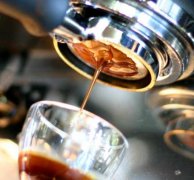
Chemical reaction of Fine Coffee in roasting
Coffee has a rich, wide range of flavors. Coffee produced in different regions, different elevations, different climates and different producing areas has its own unique characteristics. Raw beans are fragrant and have no usual coffee taste at all; the taste of coffee comes from proper roasting. Show fruity (light roasting) or caramel sweetness (deep roasting). The lighter the baking, the more sour it tastes. Baking.
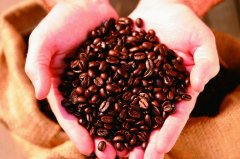
Coffee Basics Chemical Reaction of Coffee in Roasting
Coffee has a wide variety of flavors. Different regions, different altitudes, different climates, different origins of coffee production have their own unique characteristics, green beans are fresh and completely without the usual coffee taste; coffee taste comes from proper roasting, showing fruity (medium light roast) or caramel sweet (deep roast). The lighter the roast, the more sour the taste.